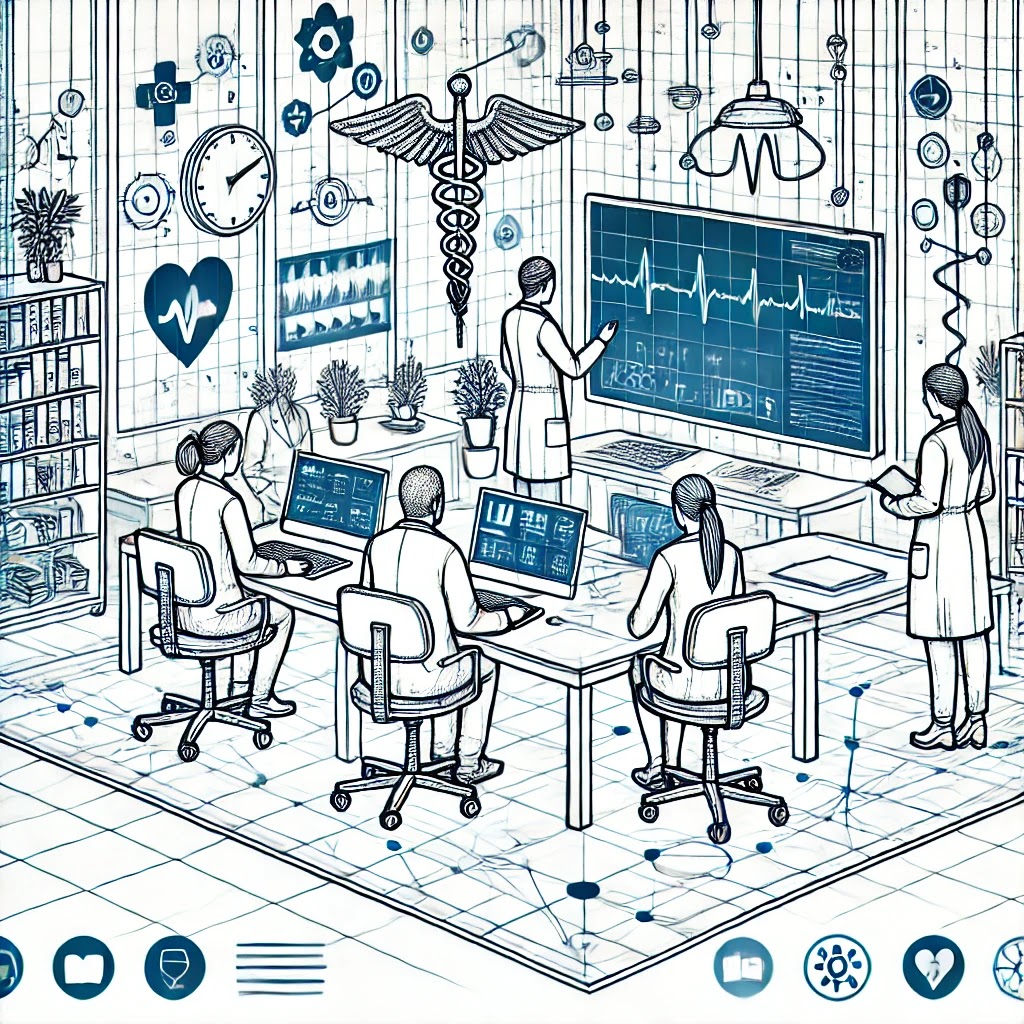
As we stand on the cusp of a new era in healthcare, the landscape is shifting beneath our feet, urging us to prepare for a future that blends technology and care in revolutionary ways. At Plus91, we're not just keeping pace with the future of healthcare—we're leading it. Let's explore the emerging trends, necessary skills, and strategies that healthcare organizations can adopt to stay ahead of the curve in this rapidly changing environment.
Emerging Trends in Healthcare
 The Rise of Telehealth and Virtual Care

Telehealth has surged as a primary mode of delivering care. Our streamlined telehealth solutions have eliminated bottlenecks in patient care, transforming practices across the globe. Healthcare providers can now connect with patients virtually, offering convenience without compromising quality.
Integrating AI and Machine Learning
AI and machine learning are no longer distant possibilities; they're part of our daily operations. Our AI-Driven EMR offers robust data security and seamless interoperability, ensuring precision in patient care. These technologies are reshaping job roles, demanding new skillsets focused on analytics and data-driven decision-making.
Personalized Medicine
With advancements in genomics and biotechnology, personalized medicine is gaining traction. Our solutions enable providers to tailor treatments based on individual genetic profiles, enhancing patient outcomes. This shift requires healthcare professionals to be adept in interpreting complex genetic data.
Necessary Skills for the Future
Digital Literacy and Technological Acumen
The future demands healthcare professionals who are digitally literate and technologically savvy. Our AI-driven tools enhance operational efficiency, and familiarity with these technologies is becoming indispensable. Training programs and continuous learning must be prioritized to equip teams with the latest knowledge.
Data Analysis and Interpretation
With a deluge of data available, the ability to analyze and interpret information has become crucial. Plus91’s systems are designed to support data-driven insights, helping professionals make informed decisions. This skill not only optimizes patient care but also streamlines healthcare operations.
Interpersonal and Communication Skills
As technology takes center stage, the human touch remains irreplaceable. Trust Plus91 to transform your healthcare operations with precision and reliability, while we emphasize the importance of empathetic patient interactions. Combining soft skills with technological expertise will be key to future roles.
Strategies for Healthcare Organizations
Investing in Staff Training and Development
Continuous professional development is non-negotiable. Organizations must invest in training programs to upskill their workforce. Partner with Plus91 for secure, scalable healthcare solutions you can trust, ensuring your team is well-prepared to harness emerging technologies.
Fostering a Culture of Innovation
Innovation must be at the heart of every organization. Encourage creativity and experimentation within your teams. Experience the dynamic solutions that keep your practice ahead of the curve by adopting Plus91’s cutting-edge tools.
Building Adaptable and Resilient Systems
In a landscape marked by rapid change, resilience is essential. Utilize our HL7 integrations for seamless data exchange across systems, creating adaptable infrastructures that can withstand future challenges.
Leading the Charge in Healthcare Evolution
At Plus91, we are committed to being your dependable partner in navigating this evolving landscape. We invite you to trust us with transforming your practice using our innovative solutions. How can AI reshape your practice’s future? Join us in pioneering discussions on AI in healthcare technology at prominent forums.
Let’s embark on this journey together.
Elevate your care with Plus91’s AI-driven patient platforms, and transform your patient care today
Enhance your staff with Digital Literacy and Health AI training programs from Plus91
Secure your networks and medical software with Plus91's cyber security plans
Together, we will drive the healthcare industry forward, ensuring that our future job roles are as dynamic and innovative as the technologies we embrace.